





Safety Certified
UL, TÜV & CE Certified – EN 15194
High carbon steel, remote control
Batería
Velocidad
Tamaño de neumático

Sensor de velocidad
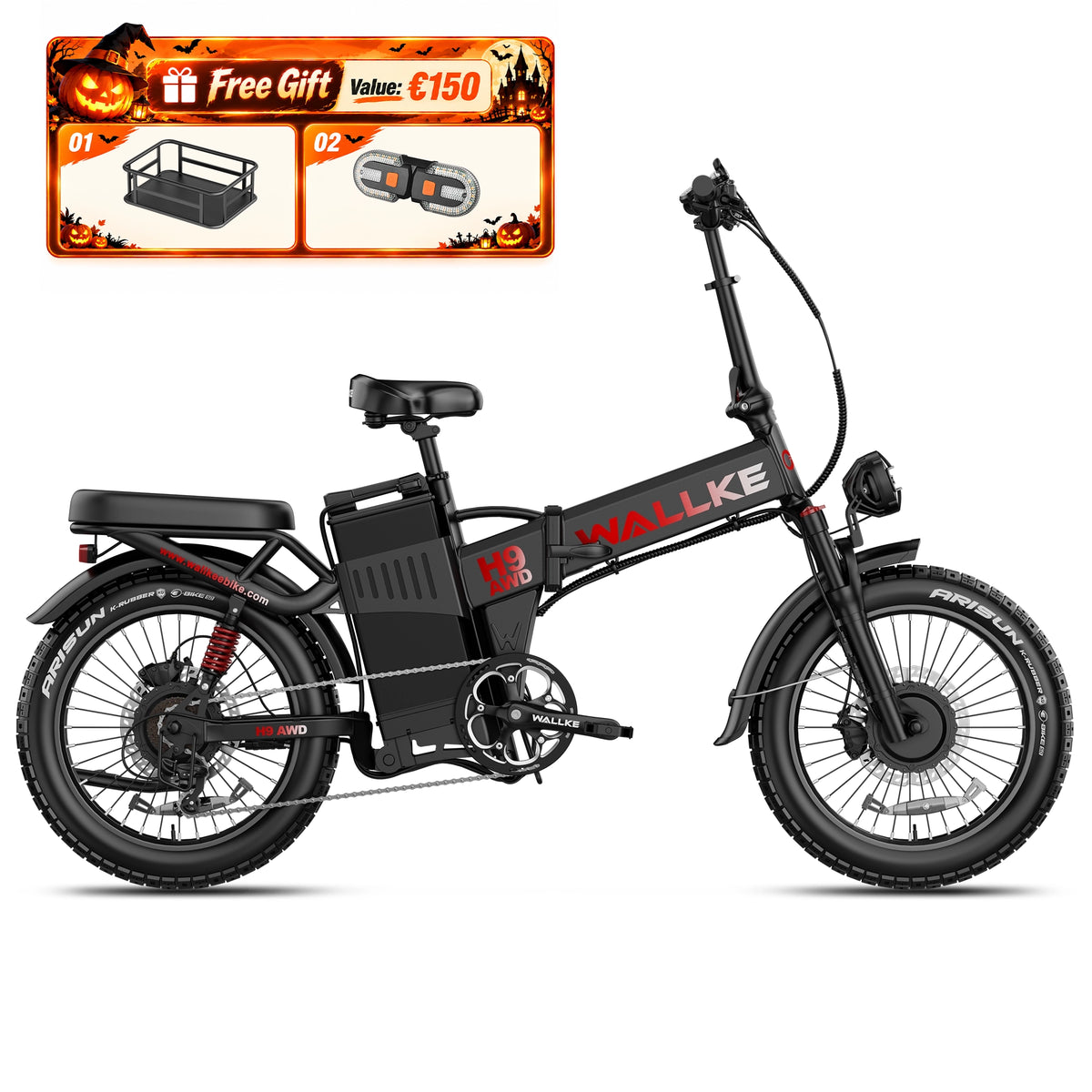
Pliega. Potencia. Resiste.
Batería
Velocidad
Tamaño de neumático
Sensor de velocidad
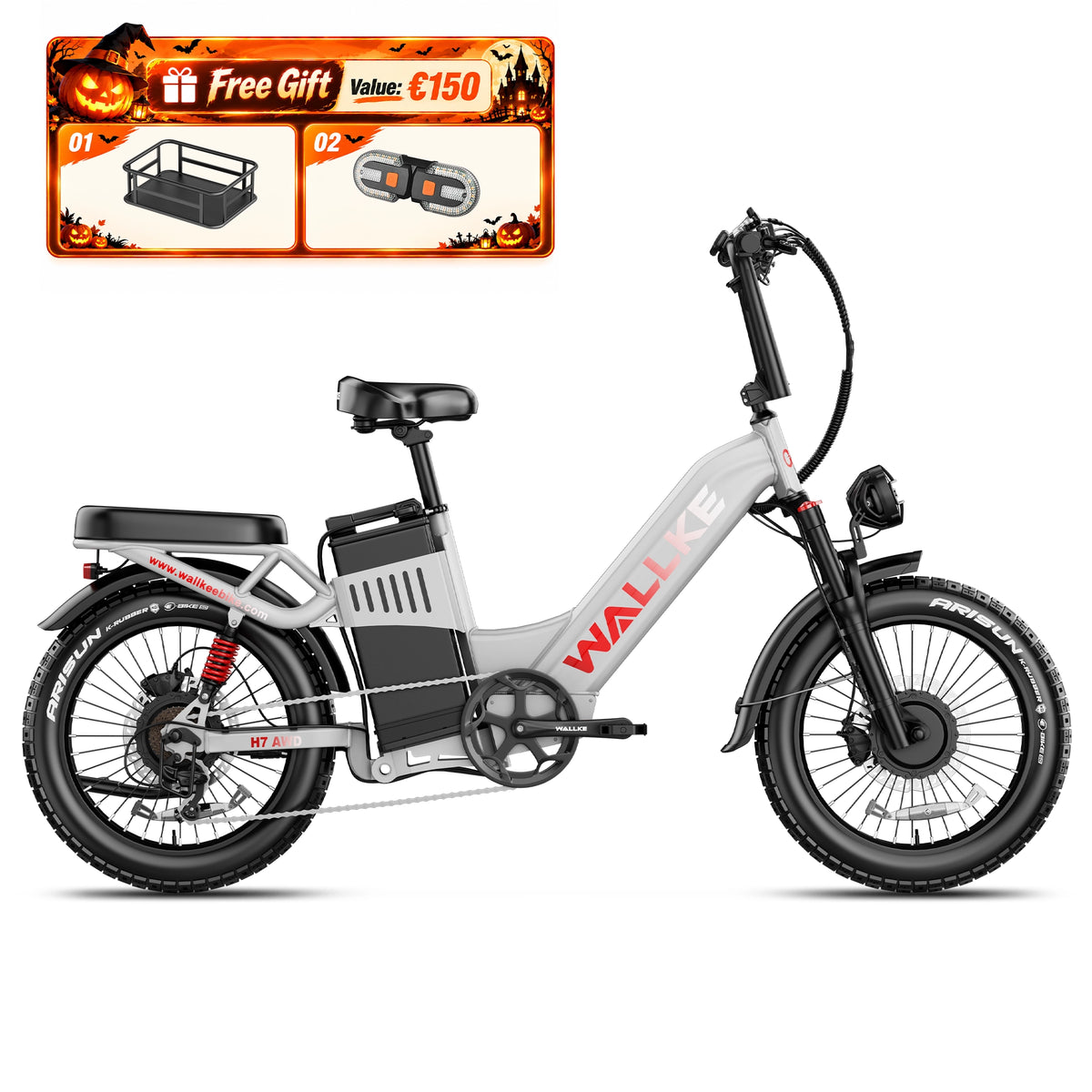
Acceso bajo. Comodidad. Libertad.
Batería
Velocidad
Tamaño de neumático
Sensor de velocidad
How to Choose an Electric Bike in Europe
Choosing an electric bike starts with understanding where, how often and how far you plan to ride. A bike designed for daily commuting may have different priorities from one intended for hills, mixed terrain or weekend adventures. Before comparing headline specifications, consider your normal route, available storage space, preferred frame style and whether you need to carry the bike upstairs or transport it in a car.
Wallke's European collection includes step-through, folding, fat-tire and off-road electric bikes for adults. Use the sections below to identify which features are most relevant to your riding.
Choose an E-Bike for Your Riding Style
For regular journeys, errands and paved routes, explore our commuter electric bikes . Look for a comfortable riding position, practical controls, dependable brakes and a frame that suits frequent mounting and dismounting.
A folding electric bike may be more suitable if storage space is limited or you want to transport the bike by car. Always compare the folded dimensions and total bike weight, because a folding mechanism does not automatically make an e-bike lightweight.
Riders who regularly encounter rough roads, gravel or softer ground can compare our fat-tire electric bikes . Wider tyres can provide additional grip, stability and comfort, although they may also increase weight and rolling resistance. For more demanding terrain, see the current off-road electric bike collection .
Compare Battery Capacity and Real-World Range
Battery capacity is an important comparison point, but the largest battery is not automatically the best choice for every rider. A higher-capacity battery can support longer journeys, while also adding weight and affecting charging time.
Real-world range depends on assist level, rider and cargo weight, hills, wind, temperature, tyre pressure and riding speed. Use published range figures as reference points rather than guaranteed distances. Plan around your regular route and leave a reasonable reserve for colder weather or more demanding terrain.
The current collection includes 48V electric bikes with different battery capacities and configurations. Compare the specification of the exact model before ordering.
Consider Frame Design, Tyres and Bike Weight
A step-through frame can make getting on and off the bike easier, especially during frequent urban stops. A step-over frame may suit riders who prefer a more traditional design. Check the recommended rider-height range and frame dimensions rather than choosing by appearance alone.
Bike weight also matters. Larger batteries, wide tyres, suspension and dual-motor systems can increase comfort and capability, but may make the bike harder to carry or store. Riders with additional cargo should also check the complete load rating. Our electric bike weight-limit guide explains how rider, luggage and accessory weight are calculated.
Think About Hills, Braking and Terrain
Motor configuration is only one part of climbing performance. Gearing, wheel size, tyre choice, total load, controller behaviour and the length of the climb also affect how an e-bike performs on hills. Strong, controllable brakes are equally important for descending. Read our electric bike climbing guide for a more detailed explanation.
Check the Exact Configuration for Your Country
Electric-bike rules can vary by country and by vehicle configuration. Assisted-speed limits, motor classification, throttle use, insurance, registration and permitted riding areas may not be the same across Europe. Check the specifications of the exact configuration you intend to purchase and confirm the applicable local requirements before using it on public roads.
| Model | Best for | Frame | Folding | Battery | Tyres |
|---|---|---|---|---|---|
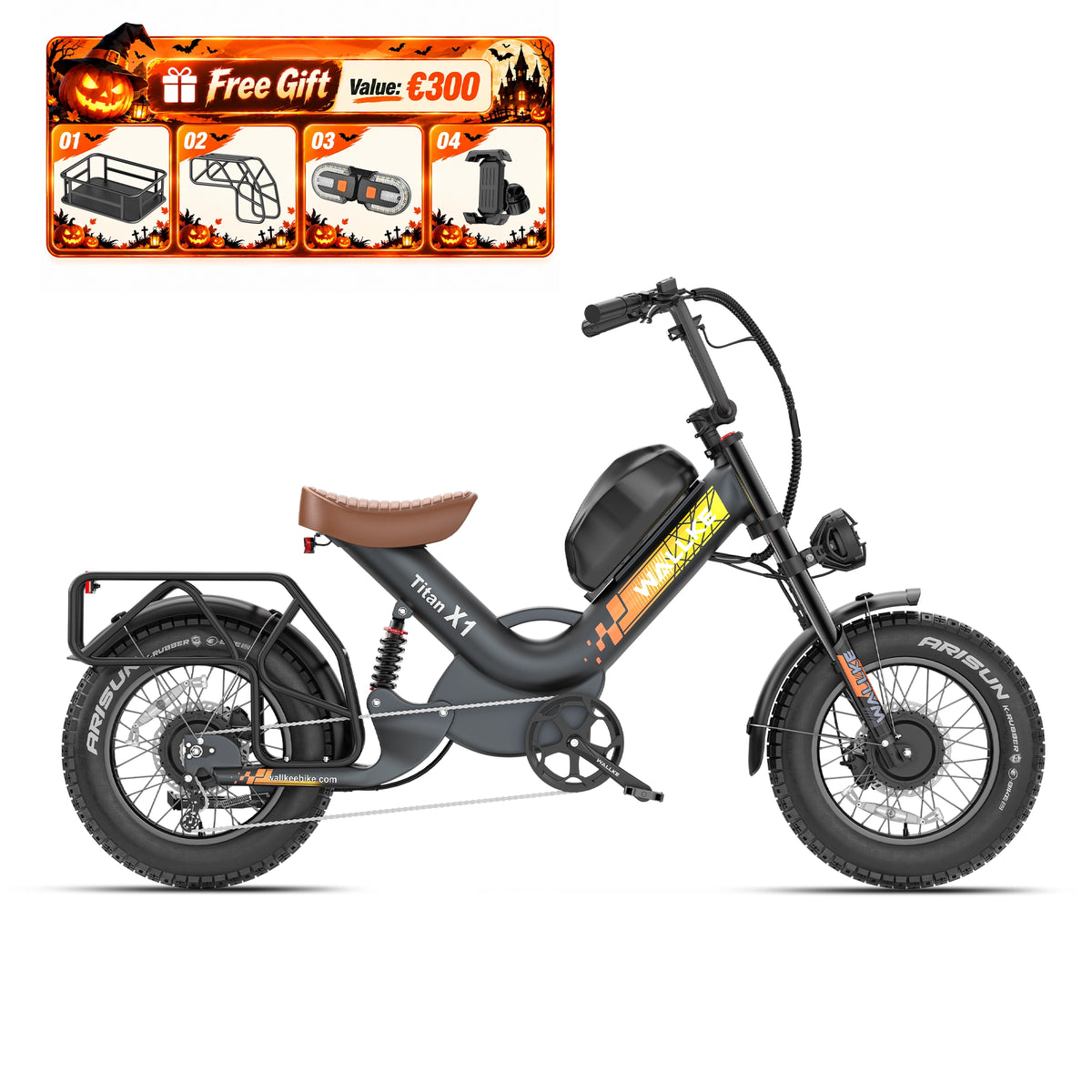
| Titan X1 AWD | Off-road and high-performance riding | Step-over | No | 48V 45Ah | 20×5" |
| H9 AWD | Folding and mixed-terrain riding | Step-over | Yes | 48V 40Ah | 20×4" |
| H7 AWD | Step-through comfort and commuting | Step-through | No | 48V 40Ah | 20×4" |
Shop Electric Bikes by Riding Style
Start with the type of riding, storage and terrain that matter most to you.
Fat Tire E-Bikes
Extra grip and comfort for mixed surfaces, rough roads and everyday riding.
Folding E-Bikes
Compact electric bikes designed for easier storage and transport.
Off-Road E-Bikes
Built for riders who want more capability on gravel, trails and uneven terrain.
Commuter E-Bikes
Practical e-bikes for regular journeys, daily errands and urban travel.
Preguntas frecuentes sobre bicicletas eléctricas
Empieza por cómo planeas montar. Un cuadro de acceso bajo puede facilitar subirte, una bicicleta eléctrica plegable puede simplificar el almacenamiento y el transporte, y los neumáticos anchos pueden aportar comodidad y agarre en superficies mixtas. El ajuste para el ciclista, la capacidad de la batería y las normas locales de circulación también deberían formar parte de tu decisión.
La autonomía depende del nivel de asistencia, el peso del ciclista, el terreno, la temperatura, la presión de los neumáticos y el estilo de conducción. Las especificaciones actuales de los productos H7 AWD y H9 AWD indican autonomías de referencia de 70 km en uso con tracción simple y 50 km en uso con tracción doble. Los resultados reales pueden variar.
Compara el estilo del cuadro, el ajuste para el ciclista, la capacidad de la batería, la configuración del motor, los neumáticos, los frenos, la suspensión, el peso de la bicicleta y el terreno previsto. Para uso en Europa, comprueba también las normas aplicables en el lugar donde planeas montar, ya que los requisitos pueden variar según el país y la configuración del vehículo.